
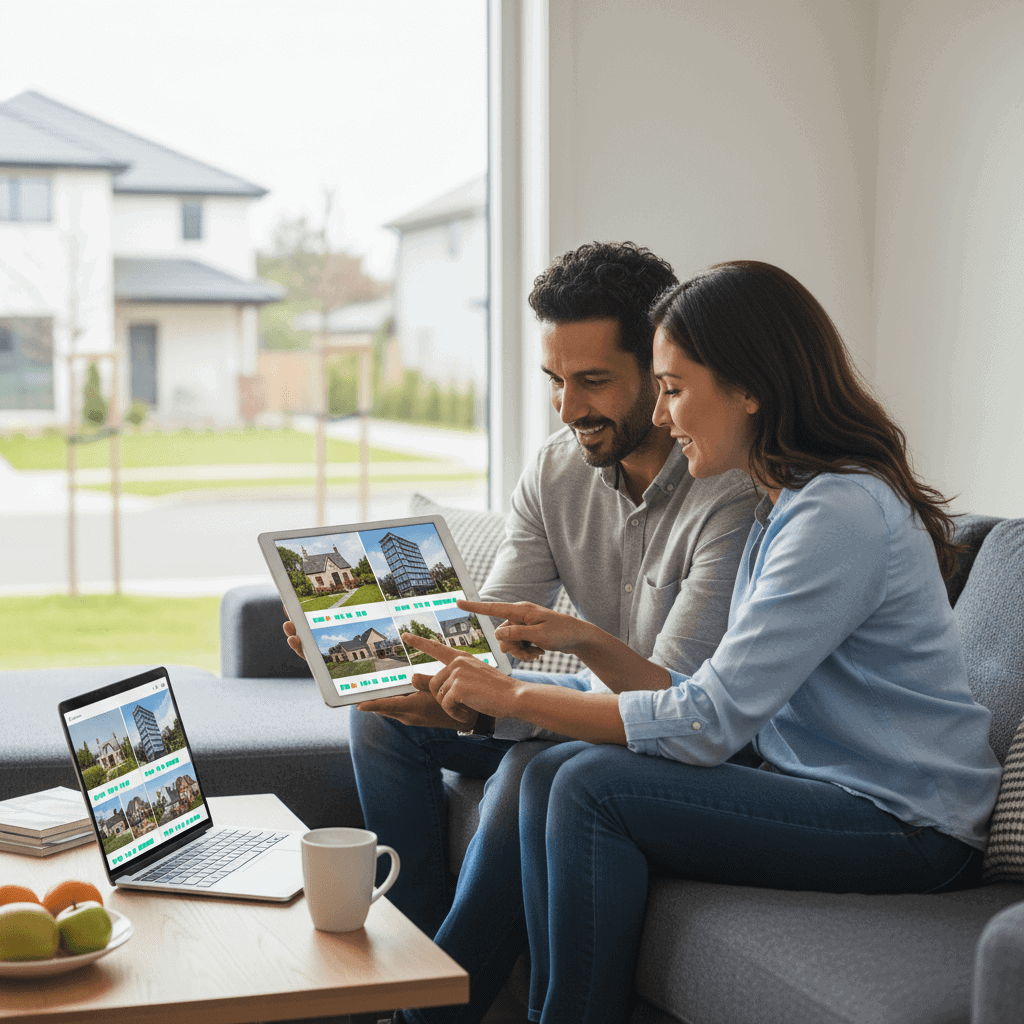
Potential Buyers View Listings Online
More people begin a home search online than ever before. When Potential Buyers View Listings Online they form strong first impressions from the images and descriptions that appear on search results and listing pages. Those impressions shape which homes they add to a short list and which ones they skip within seconds. This article explains how sellers and agents can make every online view count.
The goal is to convert casual clicks into scheduled showings. That requires attention to visual presentation, clear facts, and quick access to additional media. I will share practical tips for photos, virtual tours, copy, and analytics so listings perform better in a crowded marketplace.
Why Potential Buyers View Listings Online First
Most buyers begin with a search engine or marketplace. They scroll through thumbnails and headlines. The first impression starts with a small photo and a short headline. If that combination does not grab attention the listing gets swiped past. Listings that stand out get bookmarked and shared. That increases traffic and leads.
There is also a time factor. Busy buyers sort through dozens of properties while commuting, during lunch, or late at night. Listings that communicate value quickly will earn a place on the buyer s radar. That makes it more likely a showing is scheduled and an offer follows.
Photo Quality and Composition That Make a Difference
Professional images remain one of the single most important investments. High resolution photos that show natural light and an uncluttered room help potential buyers form a realistic sense of space. Pay special attention to these elements.
- Lighting Use daylight when possible. Turn on interior lights to reduce contrast and show depth.
- Angles Shoot from corner positions to show room proportions. Include a wide shot that captures the layout.
- Declutter Remove small items and personal effects so viewers can imagine their own belongings in the space.
- Consistency Keep editing style consistent across all photos so the gallery looks cohesive.
Example. A small living room photographed in warm afternoon light appears larger and more inviting than the same room taken at night with flash. That one detail can increase engagement and the number of clicks a listing receives.
Virtual Tours and Walkthrough Videos Increase Time on Page
Interactive tours let potential buyers explore a property at their own pace. A 360 view or a guided walkthrough video reduces uncertainty about layout and flow. When buyers can navigate a tour they are more likely to decide whether a home fits their needs before calling for a visit.
How to present a tour
- Start with a compelling exterior shot so viewers understand curb appeal.
- Highlight transitions such as entry to living space to show how rooms connect.
- Include captions or brief narration to point out recent improvements and key measurements.
Common mistakes to avoid
- Using shaky footage that makes viewers stop watching
- Skipping crucial spaces like the kitchen or bathrooms
- Leaving out a simple floor plan that helps orient the viewer
Crafting Listing Copy That Helps Potential Buyers View Listings Online
Words still matter. A concise headline and a short opening paragraph set expectations. Use specifics where they matter. Price, square footage, bed and bath counts, and notable upgrades should be easy to find. Avoid vague praise and focus on facts that change perception.
- Headline Keep it informative and direct. Include a standout feature such as a private yard or recent kitchen remodel.
- Opening line Lead with the top selling point in one sentence.
- Details Provide measurements and materials for rooms that buyers often evaluate closely.
- Neighborhood notes Mention proximity to transit, schools, or parks as relevant.
Tip. Buyers scanning listings appreciate short bullet sections that highlight upgrades, recent maintenance, and unique layout benefits. This reduces friction when comparing properties.
Staging Choices That Influence Online Click Rates
Physical staging and virtual staging can change how a listing is perceived on a first glance. Staged rooms convey how spaces can be used. Neutral palettes and modern furnishings appeal to a broad set of buyers. When staging is not possible, strong photography and thoughtfully described room usage make a noticeable difference.
- Primary bedroom Show a clear path and bedside furniture to convey scale.
- Kitchen Display clean counters and a few well placed items so the space feels lived in but tidy.
- Outdoor areas Stage patios with simple seating to highlight usable square footage.
Example. A small dining nook with a round table and minimal decor reads as intentional and practical. Empty or overfilled spaces tend to confuse viewers about scale.
Mobile Behavior and Search Signals That Matter
Many potential buyers use a phone for their first pass through listings. That changes how information should be presented. Mobile viewers prefer clear headlines, prominent photos, and quick access to contact methods. Make it possible for someone to learn the essentials in under a minute.
- Image order Place the best exterior or living room photo first so it appears in thumbnails.
- Load speed Compress images carefully so pages load fast without visible quality loss.
- Contact options Offer visible call buttons and a scheduled showing link if available.
Metrics to watch. Bounce rate, average time on page, and click through to contact forms help indicate whether your listing content is meeting viewer expectations. Small changes to photo order or headline wording often change engagement stats by measurable amounts.
Using Analytics to Improve How Potential Buyers View Listings Online
Data is useful when interpreted with a practical mindset. Track which listings get the most views, which images generate clicks, and which pages convert views into showings. Use these signals to refine your approach on subsequent listings.
Which metrics matter
- Views per listing Shows general interest level.
- Click through to contact Measures intent.
- Average time on page Suggests whether the gallery and copy are holding attention.
Small experiments
- Swap the lead photo for two weeks and compare changes in clicks
- Test a shorter headline against a longer descriptive one and monitor contact rates
- Try adding a short walkthrough video to see if showings increase
Practical insight. Set a baseline for each metric before making changes. That helps you know what influences behavior instead of guessing.
Common Questions From Sellers and How to Answer Them
Sellers often worry about cost and effort. A staged gallery and a clear set of photos usually pay back in faster offers and fewer price reductions. When asked how much to invest, look at the local median days on market and compare listings with professional photos to those without. In many markets the professional approach shortens the selling period by weeks and yields higher offer prices.
- How many photos Aim for a comprehensive set that includes exterior, kitchen, primary bedroom, bathrooms, and any special features.
- When to add a tour Add a tour when layout is a selling point or when buyers need to see flow between spaces.
- How to set expectations Be transparent about known issues and recent repairs to reduce surprise during inspections.
Many agents report that a well designed online presence converts interest into visits. For some buyers the decision is made very early. You can learn more about virtual staging options and tools that improve listing photos before they ever step foot in a property here.
Conclusion
When Potential Buyers View Listings Online they are making quick decisions that determine which homes receive offers. Strong images, clear copy, and well organized tours increase the likelihood that a listing will be added to a buyer s short list. Use high quality photos, highlight key facts, and make navigation simple on mobile. Monitor engagement metrics and run small tests to see what moves the needle in your local market. Practical steps such as swapping lead photos, adding a short walkthrough, or clarifying measurements can change outcomes significantly.
If you manage listings take a checklist approach. Review images for lighting, check that the headline highlights the strongest feature, and add a concise tour when layout matters. When working with sellers, explain how each change affects visibility and viewer intent. A few targeted improvements often make the difference between a listing that sits and one that receives multiple offers. Now take action. Update one live listing this week with a new lead photo and a short tour. Track the metrics for two weeks and compare results. Small, consistent steps lead to better listing performance and more showings.