
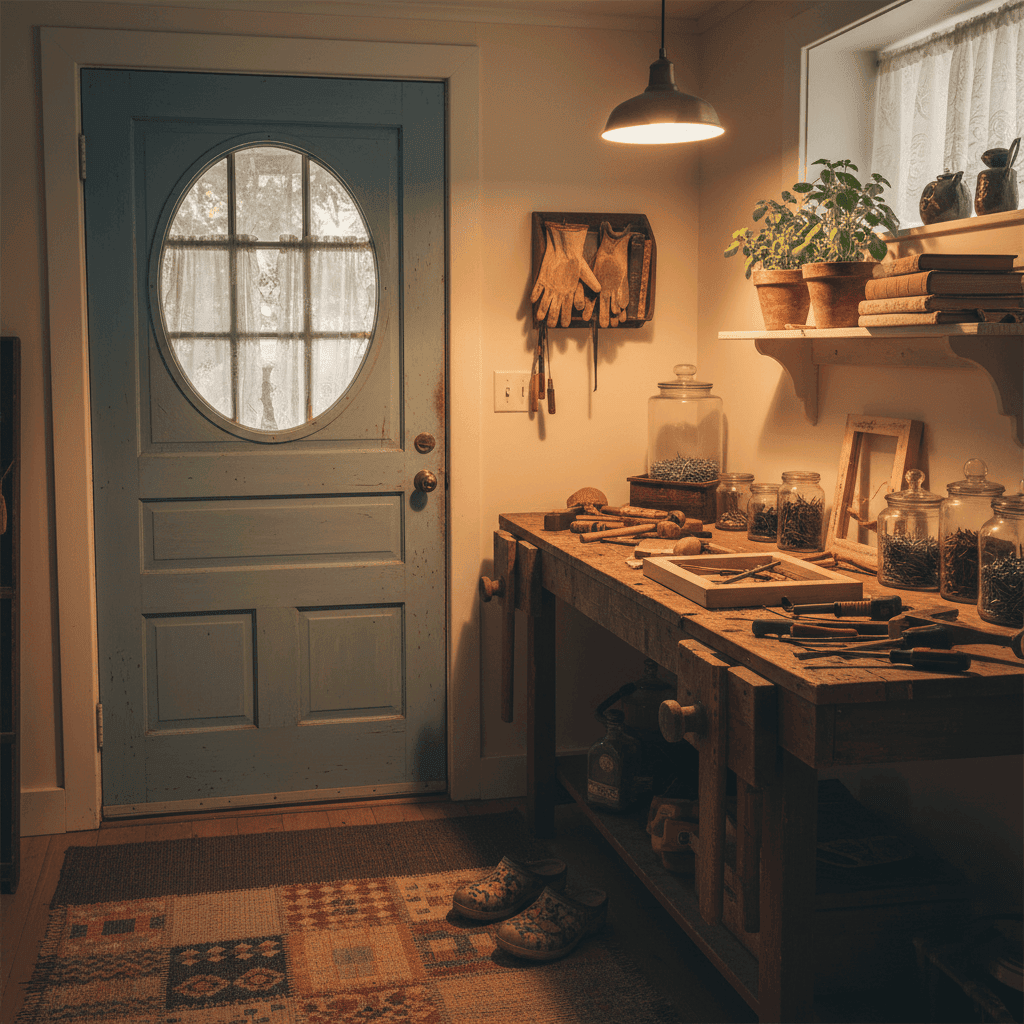
Basement Door Solutions From Grandmas House DIY Website Find Out
Basement doors in older homes often cause trouble by sticking, letting in cold air, or inviting pests and moisture inside. Fixing that door can make your home safer, save on energy bills, and keep your basement comfy and dry. A solid door also guards your stored stuff from damage or sneaky critters. If you want a hassle-free basement that feels cozy and protected, tackling that door problem is the place to start.
This article walks through practical options from simple repairs to full replacements. It focuses on realistic projects homeowners can tackle with common tools and on decisions that matter most for longevity and performance. Read on for clear examples, helpful tips, and a path to a drier more secure basement entry.
Common basement door problems and how to identify them
Before picking a fix it helps to diagnose what is happening. Common issues include
- Sticking frames that make opening or closing difficult
- Gaps at the threshold that let cold air, water, or pests inside
- Rot or rust that weakens structure and hardware
- Insufficient security features for exterior entries
Inspect the door on a dry day. Look for soft wood, swollen sections, visible rust, and worn seals. Small cracks around frames or visible daylight along the jamb point to weather sealing needs. If you see surface rot you can often repair it, while extensive rot or warped jambs usually mean replacement is safer and more cost effective long term.
Overview of popular basement door solutions and their benefits
There are several approaches depending on budget and skill level. A few options include
- Weatherstripping and threshold repairs to reduce drafts and water entry
- Reinforcing or replacing hardware to improve function and security
- Full door replacement in wood, metal, or fiberglass for durability
- Adding an outer bulkhead or storm door when the basement has an exterior stairwell
For example simple foam or V strip weatherstripping often solves draft complaints for very little cost. When water intrusion is the primary concern a new threshold with proper flashing or a metal door with corrosion resistant finish addresses both sealing and longevity. If you want a low maintenance option fiberglass doors resist rot and denting while offering solid insulation values.
Measuring and prepping the opening for repair or replacement
Accurate measurement prevents surprises. Here is a practical sequence
- Measure the existing door width and height from inside the frame at three points to check for out of square conditions
- Inspect the jamb for plumb and level using a simple level or a string line
- Note any trim or interior finishes that may need removal or protection during work
If the jamb is warped or the opening is not square you may need shims and planing for a smooth fit. For replacements add a small allowance for shims so the new unit can be leveled and fastened securely. Clear the work area and have a helper ready for lifting heavier doors. Proper prep reduces installation time and avoids damage to walls and flooring.
Materials and tools to have on hand
Gathering the right tools makes the project flow. Typical items include
- Tape measure, level, and a square
- Pry bar, screwdrivers, and drill with appropriate bits
- Hand plane or power planer for minor fit adjustments
- Caulk gun, exterior grade caulk, and expanding foam for gaps
- New weatherstripping or threshold components when replacing seals
If you plan on installing a metal door add self tapping screws and a metal cutting blade. For wood doors include appropriate paint or stain and primer to protect exposed surfaces. Buy materials that match the local climate; in humid areas choose rot resistant materials and corrosion resistant hardware to minimize future maintenance.
Step by step installation and repair tips
Whether repairing sealing or installing a new door these steps help avoid common mistakes
- Remove the existing door and hardware carefully so parts can be reused if suitable
- Clean and dry the opening thoroughly before fitting new elements
- Dry fit the new door to confirm size and identify where shims will be needed
- Fasten the jamb temporarily then check plumb and level before final fastening
- Seal gaps at the exterior side with exterior grade caulk and use foam where larger voids exist
Setting and aligning the threshold
Threshold alignment is critical for a watertight seal. Ensure the threshold sits flat and slope it slightly away from the interior to guide water out. Use stainless steel or galvanized fasteners in outdoor environments to resist corrosion. If a concrete step meets the door threshold install a rubber or vinyl sill to cushion movement and reduce noise.
Weatherstripping techniques that last
Select weatherstripping based on door material and movement. V strips work well on metal doors while compressible bulb seals suit heavier wood doors. Apply tape style seals to the leading edge where repeated rubbing can loosen adhesives. Test the door after installation and adjust shims or strips to eliminate binding while maintaining a snug seal.
Security improvements and practical add ons
Basement doors are often overlooked entry points for intruders. Practical security upgrades include installing a deadbolt rated for exterior doors and upgrading strike plates to longer screws that anchor into the framing. Security bars or a secondary internal lock offer additional protection for doors that face secluded areas.
Lighting and motion sensors near the exterior can deter unwanted visitors and reduce trip hazards on stairs. If you have a bulkhead style entry consider a lockable storm cover or reinforced top to prevent forced entry. These measures raise the protection level without complex installations.
Cost considerations and choosing the right solution for your home
Budgeting depends on material and labor choices. Typical ranges include
- Minor repairs and weatherstripping under modest cost for DIY friendly fixes
- Mid range door replacements when replacing threshold and hardware
- Higher end solutions like fiberglass doors with high insulation values and professional installation
Factor in lifecycle costs not just initial price. A slightly more expensive door that resists corrosion and requires less maintenance will often be cheaper over a decade. Seek local reviews and product warranties and test the fit and finish if you can see a display model in a showroom.
Maintenance routines that prevent bigger problems later
Simple seasonal checks preserve function and performance. Follow this quick routine
- Inspect seals and thresholds in spring and fall
- Lubricate hinges and locks once a year with a light oil
- Touch up finishes and replace small weatherstripping pieces before they fail
- Clear debris from exterior stairwells and drains to reduce water buildup near doors
Staying on top of small repairs keeps the entrance secure and reduces the chance of mold and structural damage. Keep a small spare kit with extra screws, adhesive seals, and a roll of caulk for quick fixes after storms or during cold snaps.
For homeowners who want step by step project ideas and specific product recommendations you can find out more on that site. It includes photos, tool lists, and typical cost examples to help plan a weekend project or a professional job.
In summary, a good basement door solution begins with a careful inspection and realistic match between the problem and the fix. Small gaps and sticky doors are often solved with weatherstripping and threshold work. When rot security or repeated water entry are present a full replacement using rot resistant materials and upgraded hardware pays off over time. Measure carefully, plan for proper sealing and flashing, and choose materials matched to your climate.
Tackle one upgrade at a time and use the maintenance checklist to keep problems from returning. If you feel unsure about structural repairs consider a local contractor evaluation to avoid costly mistakes. A well chosen door improves energy efficiency, reduces moisture risk and increases the overall value of your home.
If you are ready to get started gather measurements, set a budget and pick a date for the work. Small repairs can often be completed in a day while full replacements may take a weekend with help. Taking action sooner reduces the chance of damage spreading and can save on heating costs this season. Make a plan today and protect your basement entry for years to come.